
Give your living space a new look with simple furniture makeovers. DIY projects like painting, reupholstering, or updating hardware can make old furniture look new again.
This way, you can refresh your home decor without spending much money.
Upcycling furniture is also a great way to reduce waste. It lets you create personalized spaces that show off your style.
This guide will walk you through easy steps, from painting to upholstery. Even if you’re new to DIY, you can still get professional-looking results.
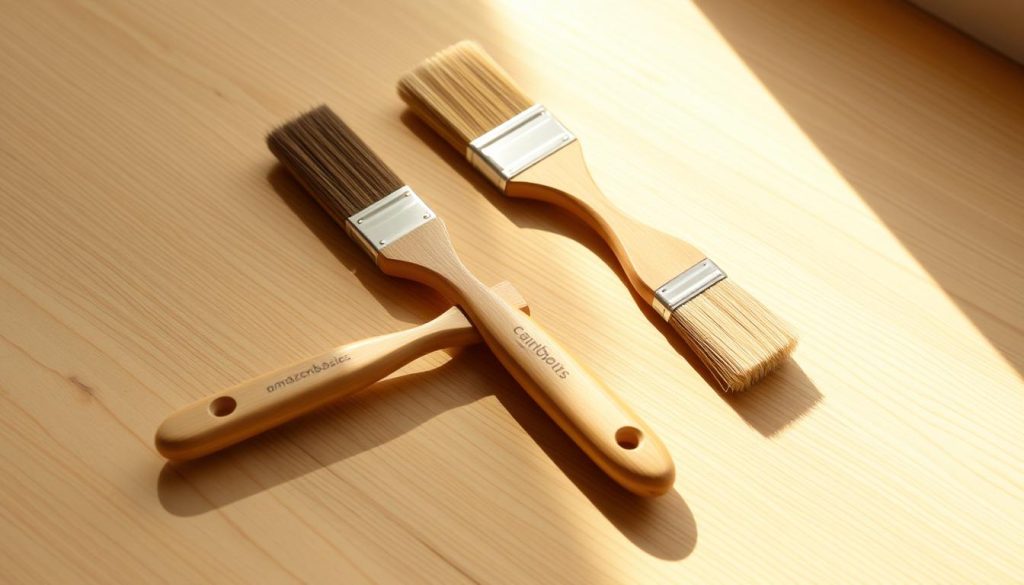
Small changes can make a big difference in your home. This article will show you how to pick the right tools for DIY projects. You’ll learn about techniques like distressing wood, color blocking, and reupholstering chairs.
Whether you’re new to DIY or have experience, these tips will help you update furniture affordably. It’s a rewarding way to make your home look new again.
Table of Contents
- Why Furniture Makeover Projects Are Worth Your Time
- Essential Tools and Materials for Successful Transformations
- Paint Techniques to Transform Wooden Furniture
- Upholstery Basics: Breathing New Life into Seating
- Hardware Updates That Make a Dramatic Difference
- Budget-Friendly Furniture Makeover Ideas Under $50
- Room-Specific Furniture Transformation Ideas
- Common Mistakes to Avoid in DIY Furniture Projects
- Before and After Inspiration: Real-Life Makeover Success Stories
- Conclusion: Creating a Refreshed Home One Piece at a Time
Key Takeaways
- Revamping furniture saves money while reducing waste.
- DIY furniture projects can be done with basic tools and materials.
- Painting, upholstery, and hardware upgrades offer quick transformations.
- Upcycle furniture to give old items new purpose and style.
- Beginners can achieve professional looks with step-by-step guides.
Why Furniture Makeover Projects Are Worth Your Time
Turning old furniture into new isn’t just a hobby. It’s a smart move that saves money, helps the environment, and boosts your pride. Let’s explore why these projects offer more than just a new look.
Cost-Effective Alternative to Buying New
Buying a new dining table can cost hundreds. But, a cost-effective home decor makeover with paint and new hardware can do the trick for under $50.
For instance, fixing a damaged bookshelf might only cost $20, compared to $400 for a new one. Saving money means you can make more stylish updates without breaking the bank.
Environmental Benefits of Upcycling
“The U.S. generates 12 million tons of furniture waste yearly, with 80% avoidable through upcycling.”
Opting for sustainable furniture like upcycled pieces reduces landfill waste. Each upcycled item keeps materials from ending up in landfills. This means less need for new resources, lowering carbon footprints, and preserving natural materials like wood and metals.
Personal Satisfaction and Creative Expression
DIY projects bring more than just beauty. Studies reveal that 75% of DIYers feel DIY satisfaction after finishing a project.
The joy of transforming a neglected piece into something special creates a deeper bond with your space. Every scratch sanded or color chosen tells a story, making your home feel truly yours.
Essential Tools and Materials for Successful Transformations
Starting any project needs the right furniture makeover supplies. This section lists must-have items by task.
- Sanding tools: Sandpaper (60-220 grit), orbital sander
- Painting supplies: Primer, brushes, rollers, paint trays
- Protective gear: Respirator masks, drop cloths, rubber gloves
- Finishing tools: Orbital buffers, stain applicators
ItemDescriptionBudget OptionPro Option
Sandpaper Set Grade set for surface prep AmazonBasics 6-pack 3M Precision Pack
Paintbrush Set Handles all paint types EcoTools Starter Kit Purdy Natural Bristle.
“Quality tools cut project time in half,” says DIY expert Karen Lee. “Invest in at least one high-end brush.”
Beginners can start with a starter kit for under $50. It has basic DIY furniture tools. Advanced restorers might need furniture restoration equipment like heat guns or belt sanders. Always use ventilation when using painting supplies.
Top brands like Rust-Oleum and Minwax offer reliable furniture makeover supplies. Thrift stores have gently used tools for under $10. Professional-grade items like Festool sanders are worth the investment.
Ready to shop? Check out curated picks from trusted brands: Shop recommended tools.
Paint Techniques to Transform Wooden Furniture
Reviving old furniture starts with mastering furniture painting techniques that match your style. These methods can turn ordinary pieces into showstoppers. Start with a plan and choose the right technique for your project.
TechniqueStyleBest ForSupplies
Distressed Finish Farmhouse Tables, dressers Sandpaper, paint, wax
Color Blocking Modern Shelves, chairs Painter’s tape, brushes
Chalk Paint Vintage Armoires, chairs Chalk paint, wax
Staining Natural Wooden accents, floors Minwax stains, rags
Distressed Finishes for Farmhouse Style
Create distressed furniture by sanding edges and using dry brushes. Apply a base coat, then layer with contrasting paint. Rub the wax into carved details to highlight the texture. Annie Sloan’s chalk paint works well for this look.
Color Blocking for Modern Appeal
Use painter’s tape and bold color combos for clean lines. Pair navy with white for farmhouse chic or black with gold for luxury. Fusion Mineral Paint’s durability is great for high-traffic areas.
Chalk Paint for Vintage Charm
Chalk-paint furniture projects need no sanding. Dip brushes into Rust-Oleum chalk paint, apply two coats, then seal with wax. Buff vigorously for a shabby chic finish. Ideal for dressers and headboards.
Staining Techniques for Natural Beauty
Enhance wood grain with wood staining methods. Wipe on Minwax gel stains, let dry, then apply polyurethane. For a weathered look, blend stains with white paint before applying.
Upholstery Basics: Breathing New Life into Seating
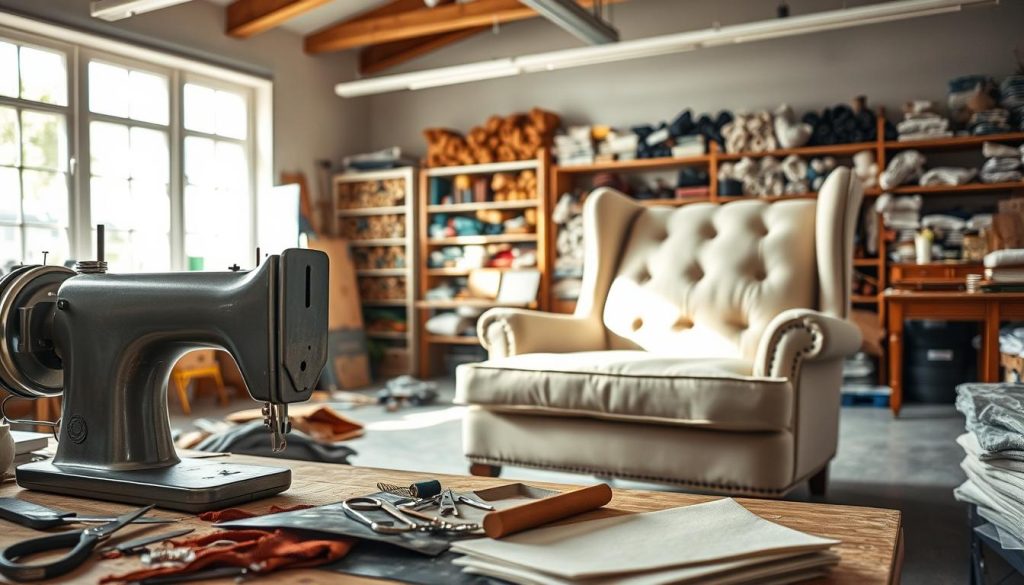
Starting a furniture reupholstery project means choosing the right materials. The right upholstery fabric selection makes your DIY chair makeover look great and last long. Here’s how to do it well, both the old-fashioned way and without sewing.
Selecting Durable Upholstery Fabrics
Choosing fabric depends on how it will be used. Here’s a guide:
Fabric TypeDurabilityBest UseCleaning Code
Cotton Linen Medium Accent chairs W (water cleanable)
Polyester Blends High Dining chairs S (solvent cleaning)
Performance Fabrics Extra Heavy Kid-friendly spaces SW (solvent + water)
Step-by-Step Reupholstery Process
- Remove old fabric carefully, saving original patterns
- Check frame integrity before adding new foam padding
- Pull the new fabric tightly using webbing straps for corners
- Secure seams with upholstery tacks or invisible stitching
No-Sew Updates for Quick Fixes
- Cut-to-fit slipcovers with Velcro closures
- Use fabric glue on small upholstery tears
- Wrap chair backs with pre-made fabric panels
- Apply tension bands to hold the fabric without sewing
For beginners, start with no-sew furniture updates. They’re easier than full DIY chair makeovers. Always be careful with sharp tools and test fabrics before using them.
Hardware Updates That Make a Dramatic Difference
Small changes like furniture hardware replacement can instantly refresh any piece. Swapping cabinet knobs and pulls or drawer handle updates transforms dated cabinets into modern focal points. Even a furniture leg upgrade lifts a tired table into a statement piece without heavy work.
Start by assessing your piece’s style. Sleek drawer handle updates in matte black suit industrial looks, while brass cabinet knobs and pulls add warmth to farmhouse designs. Measure existing holes carefully to avoid mistakes. Brands like Delta and Turnbuckle offer affordable options online at retailers like Wayfair or Amazon.
- Furniture leg upgrade kits from brands like Bellacor add height and style.
- Matte finishes pair well with modern decor; oil-rubbed bronze works for traditional pieces.
- Replace hardware in batches—update all knobs on a dresser for cohesion or mix metals for eclectic flair.
Vintage hardware? Clean tarnished finishes with polishing cloths or vinegar solutions. Thrift stores and online marketplaces are goldmines for unique cabinet knobs and pulls.
These upgrades cost under $20 per piece, making them budget-friendly compared to buying new furniture.
Updating hardware requires no advanced skills—just a screwdriver.
This simple fix breathes new life into chests, desks, or nightstands, proving small changes can yield big style impacts.
Budget-Friendly Furniture Makeover Ideas Under $50
Make your home stylish without spending too much. These cheap furniture updates turn old finds into new treasures. Start with small changes and think outside the box to make ordinary pieces stand out.
Thrift Store Diamonds in the Rough
Finding great thrift store furniture flips starts with smart shopping. Look for pieces with solid frames and minor issues. Scuffs or faded paint can be fixed easily.
Visit thrift stores early in the morning for better deals. To keep costs low, aim to spend less than $20.
- Check joints for stability; loose parts can be glued.
- Paint peeling? Sand and prime for a fresh start.
- Shop on Tuesdays—many stores restock midweek.
Repurposing Household Items
Transform overlooked items into design pieces with these inexpensive furniture refresh tips:
ProjectMaterialsCost
Door Headboard Old door, foam, fabric $15-$25
Dresser Kitchen Cart Wheels, paint $10-$15
Shelf Planter Paint, potting soil $5-$10
Clever Cosmetic Fixes
Fix imperfections with these low-cost tricks:
- Scratches? Rub petroleum jelly to highlight the wood grain.
- Water stains? Apply white-out and repaint.
- Broken legs? Attach L-brackets for instant stability.
A $5 jar of chalk paint can completely transform a side table.
Room-Specific Furniture Transformation Ideas
Every room needs its special touch. For the living room, focus on durable furniture. Choose bold colors or textured finishes for coffee tables and entertainment units.
Use moisture-resistant sealants in high-traffic areas to handle spills and foot traffic.
“A room’s purpose defines its makeover priorities,” says interior designer Emily Carter. “Prioritize functionality without sacrificing style.”
Bedrooms need calm and cozy vibes. Update a bedroom with a distressed nightstand or a dresser in soft colors.
Neutral tones and subtle patterns make a peaceful space. In kitchens, refresh furniture with heat-resistant paints and non-slip surfaces. Dining chairs or storage cabinets can get a new look with easy-care coatings.
- Living Room: Use acrylic glaze on wooden coffee tables for a modern living room furniture makeover. Time: 3 hours. Difficulty: Easy.
- Bedroom: Sand and repaint a headboard with chalk paint for a bedroom furniture update. Time: 4 hours. Difficulty: Moderate.
- Kitchen: Apply marine-grade paint to a hutch for a durable kitchen furniture refresh. Time: 5 hours. Difficulty: Moderate.
- Home Office: Install LED strip lighting under a desk during a home office renovation for functional style. Time: 2 hours. Difficulty: Easy.
Home offices need ergonomic updates. A home office renovation might include cable management systems or sliding shelves. Use non-toxic stains in kids’ areas and antimicrobial finishes in dining zones. Make each project fit the room’s daily use for the best results.
Common Mistakes to Avoid in DIY Furniture Projects
Even small furniture refinishing mistakes can turn a promising project into a headache. Recognizing these DIY project pitfalls early can save time and materials. Start by avoiding rushed prep: skipping sanding or cleaning greasy surfaces leaves residues that ruin finishes. Always test paint adhesion on hidden spots first.
- Material mismatches: Using oil-based paint over chalk paint causes peeling. Always prime with Zinsser Bullseye 123 for adhesion.
- Rushed drying: Overlapping wet coats leads to brush marks. Follow product cure times—especially with Minwax stains—to prevent bleed-through.
- Tool neglect: Cheap brushes leave streaks. Invest in quality foam brushes for smooth finishes.
“The key is patience,” says DIY expert Maria Lopez. “Take 24 hours between steps to avoid 90% of furniture makeover problems.”
For refinishing troubleshooting, address issues like warped wood by clamping joints before staining. If fabric puckers during upholstery, use a steam iron on low heat to relax fibers.
Always read product instructions—like those for Annie Sloan Chalk Paint—to match recommended sealers.
Every hiccup is a learning step, not a failure. Stay informed, adapt, and transform mistakes into polished results.
Before and After Inspiration: Real-Life Makeover Success Stories
See how real homeowners turned everyday furniture into stunning pieces. These furniture makeover examples show even the most worn items can look new again.
Mid-Century Modern Revivals
A 1960s walnut credenza with peeling veneer was fixed using shellac and mid-century modern restoration methods. To fix veneer cracks, heat-activated glue and sanding were used. After refinishing with Danish oil, it looked classic again. Cost: $40 materials, 12 hours of work.
Traditional Pieces with Contemporary Twists
- A Victorian side chair was updated with Annie Sloan Chalk Paint in “Lime” and metal legs. Brass hardware was added for a new look.
- An antique secretary desk was turned into a modern home office with black wax and LED lighting under the shelf.
Industrial Furniture Transformation
A weathered oak console table was made industrial-chic with rust-look paint and steel brackets. Adding metal legs for $75 increased its value by $500.
Industrial furniture transformation often uses hardware store items for a real look.
“The most surprising part? A $20 can of spray primer made all the difference in surface prep!” – WorkshopDIY Blog.
These before and after furniture stories show how small changes can make a big difference. See full case studies on sites like FurnitureRevivalBlog.com for more details.
Conclusion: Creating a Refreshed Home One Piece at a Time
Every piece of furniture has hidden potential. By repainting or reupholstering, you can turn ordinary items into unique pieces. These projects show that you don’t need to be a pro or spend a lot to make a difference.
Using paint, swapping hardware, and getting creative can make a big impact. Even small changes can lead to a fresh and cohesive look in your home.
Upcycling is a great way to make your home more sustainable. It saves money and reduces waste. Starting with simple tasks can build your confidence for bigger projects.
Online tutorials and affordable tools make it easy to get started. They help you adapt ideas to fit your space and budget.
Living spaces change as our tastes do, but upcycling stays the same. A simple color change or new upholstery can transform a piece. Each project makes your home feel more like you.
Whether it’s one piece or a whole room, these strategies help you create a space that reflects your style. Start with one piece and watch your home come to life.
FAQ
What types of furniture can I makeover?
You can make many types of furniture. This includes tables, chairs, dressers, and shelves. Popular projects are painting wooden pieces, reupholstering sofas, and updating cabinet hardware.
How much does a typical furniture makeover cost?
The cost of a makeover varies. Simple projects can cost under $50. More complex ones might cost $50 to $200 or more, especially with premium materials.
Do I need to be an expert to tackle a furniture makeover?
No, you don’t need to be an expert. Many projects are easy for beginners. With the right guidance, you can achieve great results with simple tools and materials.
What are some essential tools for furniture makeovers?
You’ll need a paintbrush, roller, sandpaper, staple gun, sewing machine, and measuring tools. For some projects, a heat gun, screws, or adhesives might be needed. Always wear safety gear like gloves and masks.
How can I get inspiration for my furniture projects?
Look for inspiration in home décor magazines, on Instagram and Pinterest, and DIY websites. You can also find ideas by visiting local thrift stores.
What are common mistakes to avoid during a furniture makeover?
Avoid skipping preparation steps like cleaning or sanding. Don’t rush drying times or use the wrong materials. Take your time for the best results.
Can I personalize my furniture makeover?
Yes, you can! Personalize with your choice of colors, patterns, and materials. Adding unique hardware, distressing, and mixing styles can make your furniture stand out.
How do I maintain my newly made-over furniture?
Maintain your furniture with regular cleaning. Apply protective finishes like sealants for painted pieces. Avoid harsh sunlight and humidity to protect the finish.